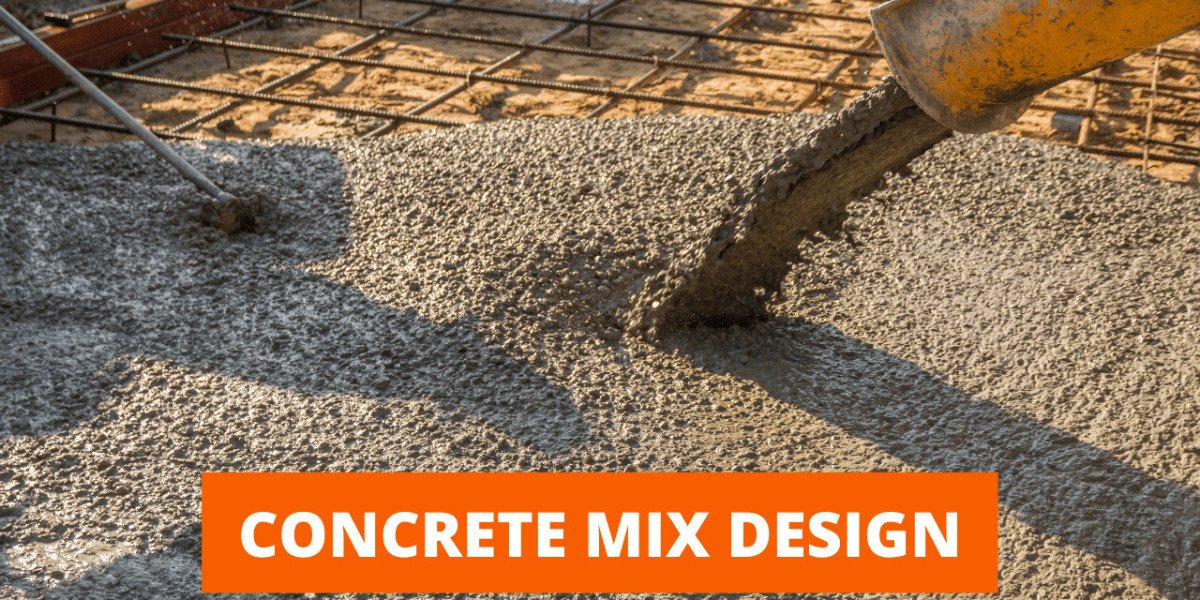

Concrete mix ratio is the proportion of cement, sand, and aggregate used to make concrete. It plays a key role in determining the strength, durability, and stability of any structure. Using the wrong ratio can weaken concrete, reduce its lifespan, or even cause structural failure. For civil engineers and builders, understanding the right mix ratio is essential for safe and long-lasting construction.
Different projects need different mix ratios. A residential floor, a column, or a bridge deck all require specific proportions to meet strength and durability requirements. Standard best Concrete Mix ratio, like 1:2:4 or 1:1.5:3, indicates the volume of cement, sand, and aggregate. Following these ratios ensures the concrete cures properly, is workable during pouring, and can withstand environmental stress. Beyond structural strength, the mix affects water resistance, workability, and long-term durability. A balanced ratio ensures the concrete sets correctly, supports loads safely, and lasts for decades.
Basics of Concrete Mix Ratio
Concrete mix ratio shows the parts of cement, sand (fine aggregate), and coarse aggregate expressed in formats like 1:2:4. The first number represents cement, the second is fine aggregate, and the third is coarse aggregate. This simple notation system helps construction teams communicate specifications clearly across projects.
For example, a 1:2:4 mix means:
1 part cement
2 parts sand
4 parts coarse aggregate
The key ingredients work together to create a durable, load-bearing material.
Cement acts as the binding agent through chemical reactions.
Fine aggregate (sand) fills small voids between larger particles and improves workability during placement.
Coarse aggregate (gravel or crushed stone) provides bulk volume and contributes significantly to compressive strength.
Water triggers the hydration process.
Admixtures (optional) enhance specific properties like setting time or resistance to extreme conditions.
Understanding how these ingredients interact helps engineers troubleshoot problems and optimize mixes for specific site conditions.
Nominal Mix vs. Design Mix
Nominal mixes use fixed proportions like M10, M15, and M20, making them simple for small to medium projects. Contractors can prepare these on-site without extensive testing, though they sacrifice precision for convenience. These standardised formulas have been developed through decades of construction experience.
Design mix concrete determines proportions through laboratory trial mixes to meet specific performance requirements. Engineers calculate exact quantities based on target strength, aggregate properties, and exposure conditions. This scientific approach costs more initially but delivers guaranteed performance for critical structures.
Pro Tip:
Use nominal mixes for projects under 3 stories or non-critical structures. Switch to design mixes for high-rise buildings, bridges, or any structure requiring guaranteed performance.
Grades of Concrete and Typical Mix Ratios
Concrete grade notation uses "M" followed by a number representing characteristic compressive strength in MPa after 28 days. M20 achieves a compressive strength of 20 MPa (2900 psi). The number directly indicates structural capability, with higher grades handling heavier loads and harsher environments. This standardised system allows engineers worldwide to specify requirements without ambiguity.
Grade selection impacts project costs significantly because higher grades require more cement and better quality control. Specifying M25 when M20 suffices wastes money, while under-specifying creates safety risks. Proper selection requires understanding load calculations, exposure conditions, and building code requirements for your specific location.
Common Nominal Mix Ratios for Different Grades
Grade | Mix Ratio | Common Applications |
M5 | 1:5:10 | Levelling courses, bedding |
M7.5 | 1:4:8 | Mass concrete, foundations |
M10 | 1:3:6 | PCC work, pathways, floors |
M15 | 1:2:4 | Footings, low-load structures |
M20 | 1:1.5:3 | Slabs, beams, columns |
M25 | Design Mix | Commercial buildings, heavy loads |
M20 represents the best concrete mix ratio for typical residential construction, balancing strength with economy. M25 and above typically require design mix approaches for guaranteed performance in commercial and high-load applications.
Water-Cement Ratio and Workability
The water-cement ratio represents the weight of water divided by the weight of cement in the mix. This metric controls concrete strength and durability by balancing workability with porosity. Finding the sweet spot requires understanding your placement methods and structural requirements.
Concrete that's too stiff won't fill formwork properly or consolidate around reinforcement. Overly wet concrete flows easily but sacrifices strength and develops surface defects. Engineers must consider pumping requirements, ambient temperature, and finishing techniques when specifying water content.
Typical w/c ranges:
0.4 to 0.5 for normal construction
0.45 to 0.55 for pumped concrete
0.35 to 0.4 for high-strength concrete
Pro Tip:
Never add extra water at the job site to improve workability. Use plasticisers instead because they improve flow without compromising strength.
Effect of Too Much or Too Little Water
Excess water reduces strength by creating pores when it evaporates. These voids increase porosity by up to 30%, leading to cracks, reduced durability, and faster deterioration. An increase in the water-cement ratio generally reduces concrete strength, with the exact impact depending on materials and mix conditions. Porous concrete allows moisture, chlorides, and other harmful substances to penetrate, corroding reinforcement and causing spalling.
Too low water content affects workability and compaction. Workers struggle to place and finish the concrete properly, leaving air pockets that create weak spots and surface defects. Insufficient water also prevents complete hydration of cement particles, meaning the concrete never achieves its potential strength.
Types of Concrete Mixes by Application
Different construction applications need specific concrete characteristics. Matching the right mix to your application ensures optimal performance and cost-efficiency. Understanding these distinctions helps you avoid over-engineering simple applications or under-specifying critical structural elements.
Plain Cement Concrete (PCC) Mixes
PCC grades M5, M7.5, and M10 work for foundations, levelling courses, and flooring. These mixes don't contain reinforcement, so they handle compression loads only. Use PCC for bedding layers under footings, basement floors, and pavement subbases. The simplicity makes it economical for applications where tensile strength isn't required.
Reinforced Cement Concrete (RCC) Mixes
Common grades M20, M25, and M30 suit slabs, beams, columns, and footings where steel reinforcement carries tensile loads. The steel-concrete bond makes RCC incredibly versatile for structural applications, allowing engineers to design members that resist bending, tension, and complex load combinations.
The best concrete mix ratio for your RCC work depends on:
Span lengths and load calculations
Exposure conditions (weather, chemicals)
Required service life
Local building codes
High-Strength and Special Concrete
Design mixes for M30 and above incorporate special additives.
Silica fumes increase density and strength.
Superplasticisers improve workability without extra water.
Fibres control cracking and improve toughness.
These serve high-rise construction, bridges, parking structures, and industrial facilities requiring exceptional durability or load capacity. Modern admixture technology creates concrete with properties impossible just two decades ago.
Factors Affecting Selection of Mix Ratio
Structural requirements drive mix selection decisions more than any other factor. Load calculations, exposure classes, and durability expectations determine minimum grade requirements per codes. Engineers must balance competing demands because the strongest mix isn't always the best choice if it's difficult to place or costs twice as much as a suitable alternative.
Structural Load and Performance Requirements
Load requirements establish minimum strength thresholds that can't be compromised. Every structural element has calculated demands based on dead loads, live loads, and safety factors. Exposure conditions (marine, chemical, freeze-thaw) demand specific durability features beyond basic strength. Service life expectations influence the quality of materials because a temporary structure needs different concrete than a century-spanning bridge.
Aggregate Characteristics and Properties
Aggregate properties matter significantly because they comprise 60-75% of concrete volume. Maximum aggregate size affects packing density and workability, with larger aggregates generally reducing cement needs but limiting use in thin sections. Crushed aggregates typically provide better bonding due to angular shapes, while rounded natural aggregates improve workability.
Site and Environmental Conditions
Site conditions influence practical decisions that paper calculations often miss. Pumping requires higher workability and the right aggregate grading to avoid blockages. Hot weather calls for retarders or even chilled mix water to control setting time, while cold weather demands accelerators and added protection to ensure the concrete gains strength properly.
Code and Standard References
Common standards govern mix design practices globally. IS 456 (India), ACI 318 (USA), and EN 206 (Europe) provide guidelines for material selection, proportioning methods, and quality requirements. Always consult applicable local codes before finalising your mix design because requirements vary significantly by region and building type.
Basic Steps in Concrete Mix Design (Civil Engineer View)
Mix design follows a systematic lab and field process that removes guesswork from concrete production. The methodology ensures reliable performance while optimising material costs through scientific proportioning rather than traditional rules of thumb.
Determine Target Strength: Add a margin above characteristic strength to account for natural variation in materials and testing.
Select Water-Cement Ratio: Choose an appropriate water-cement value based on target strength and durability requirements using established relationships from standards.
Choose Aggregate Properties: Select aggregate types and maximum size while considering structural member dimensions and reinforcement spacing.
Calculate Material Proportions: Use established methods (ACI, IS, or others) that account for aggregate grading, moisture content, and specific gravity.
Conduct Trial Mixes: Verify proportions and adjust as needed because laboratory conditions don't always match field reality.
Common Mistakes and Best Practices
Many contractors make errors that compromise concrete quality and structural integrity. Understanding these pitfalls helps you avoid expensive failures that could have been prevented with proper attention to fundamentals.
Common Errors Include:
Using arbitrary proportions without an engineering basis or structural calculations
Ignoring water content variations in aggregates throughout the day
Poor batching accuracy with volume measurements instead of weight
Inadequate mixing time that leaves cement clumps and weak spots
Adding water on-site to improve workability without understanding the strength loss
Estimating proportions "by eye" regardless of aggregate properties
Using outdated formulas from previous projects with different materials
Skipping trial mixes before starting large pours
Insufficient vibration traps air voids, which can significantly reduce strength and overall durability
Inadequate curing that stops hydration before full strength develops
Practical Guidelines for Consistent Concrete Quality
Use weight batching instead of volume for precision because aggregate bulk density varies with moisture and compaction.
Control water content by checking aggregate moisture daily and adjusting batch water accordingly.
Mix thoroughly for at least 2 minutes in mechanical mixers to ensure uniform distribution of cement and complete coating of aggregates.
Compact properly using vibrators to eliminate air voids.
Cure continuously for a minimum of 7 days, preferably 28 days, for full strength development because hydration continues for weeks after placement.
Implement quality control through regular slump tests, cube testing, and inspection of materials.
Document everything, including mix designs, test results, and field adjustments, because this record proves invaluable when problems arise or when planning similar future projects.
Pro Tip:
Keep aggregate moisture content records daily. Wet sand can add 15-20 litres of "hidden" water to your mix, drastically weakening your concrete without you realising it.
Final Verdict
Understanding concrete proportions empowers civil engineers to make informed decisions that directly impact structural safety and project economics. From simple formulas for basic work to design mixes for demanding applications, the right proportions matter. The best concrete mix ratio for your project balances strength requirements, durability needs, workability constraints, and cost considerations through systematic design rather than guesswork.
Experts like Pro-Mix Concrete combine 15+ years of batching expertise with state-of-the-art quality control. Every mix leaves our plant with certified strength, tested workability, and documented proportions. Their technical team provides free mix design consultation, helping you select optimal grades for your specific application.
FAQs
What is the typical mix ratio for M20 grade concrete?
A typical nominal mix for M20 grade concrete is about 1:1.5:3 (cement:sand: coarse aggregate). This provides sufficient strength for most residential RCC work, such as slabs and beams.
What is the best concrete mix ratio for foundations?
For many light to medium-load foundations, mixes around 1:2:4 or 1:3:6 are commonly used. However, the best proportions should always be chosen based on structural design requirements and relevant codes.
What is the role of the water-cement ratio in concrete mix?
The water-cement value controls concrete strength and durability by balancing workability with porosity. Lower values generally yield stronger, more durable concrete when properly compacted.
When should a design mix be used instead of a nominal mix?
A design mix should be used for grades M25 and above or whenever precise performance is needed. It's also required when durability or economic optimisation matters, because proportions are determined through lab-based mix design.