


In the sterile corridors of Birmingham Women's and Children's NHS Foundation Trust, a young man named James Stokes navigates his daily responsibilities with subtle confidence. His smart shoes move with deliberate precision as he acknowledges colleagues—some by name, others with the familiar currency of a "good morning."
James wears his NHS lanyard not merely as institutional identification but as a declaration of acceptance. It rests against a neatly presented outfit that betrays nothing of the challenging road that preceded his arrival.
What separates James from many of his colleagues is not visible on the surface. His bearing discloses nothing of the fact that he was among the first beneficiaries of the NHS Universal Family Programme—an initiative crafted intentionally for young people who have experienced life in local authority care.
"It felt like the NHS was putting its arm around me," James explains, his voice measured but revealing subtle passion. His remark summarizes the heart of a programme that strives to revolutionize how the enormous healthcare system views care leavers—those vulnerable young people aged 16-25 who have transitioned from the care system.
The statistics paint a stark picture. Care leavers often face greater psychological challenges, economic uncertainty, accommodation difficulties, and diminished educational achievements compared to their age-mates. Beneath these cold statistics are human stories of young people who have maneuvered through a system that, despite genuine attempts, frequently fails in offering the stable base that shapes most young lives.
The NHS Universal Family Programme, established in January 2023 following NHS England's promise to the Care Leaver Covenant, embodies a profound shift in systemic approach. At its heart, it acknowledges that the whole state and civil society should function as a "communal support system" for those who haven't known the constancy of a traditional family setting.
A select group of healthcare regions across England have charted the course, establishing structures that reconceptualize how the NHS—one of Europe's largest employers—can extend opportunities to care leavers.
The Programme is meticulous in its methodology, starting from detailed evaluations of existing procedures, creating governance structures, and securing executive backing. It understands that meaningful participation requires more than good intentions—it demands practical measures.
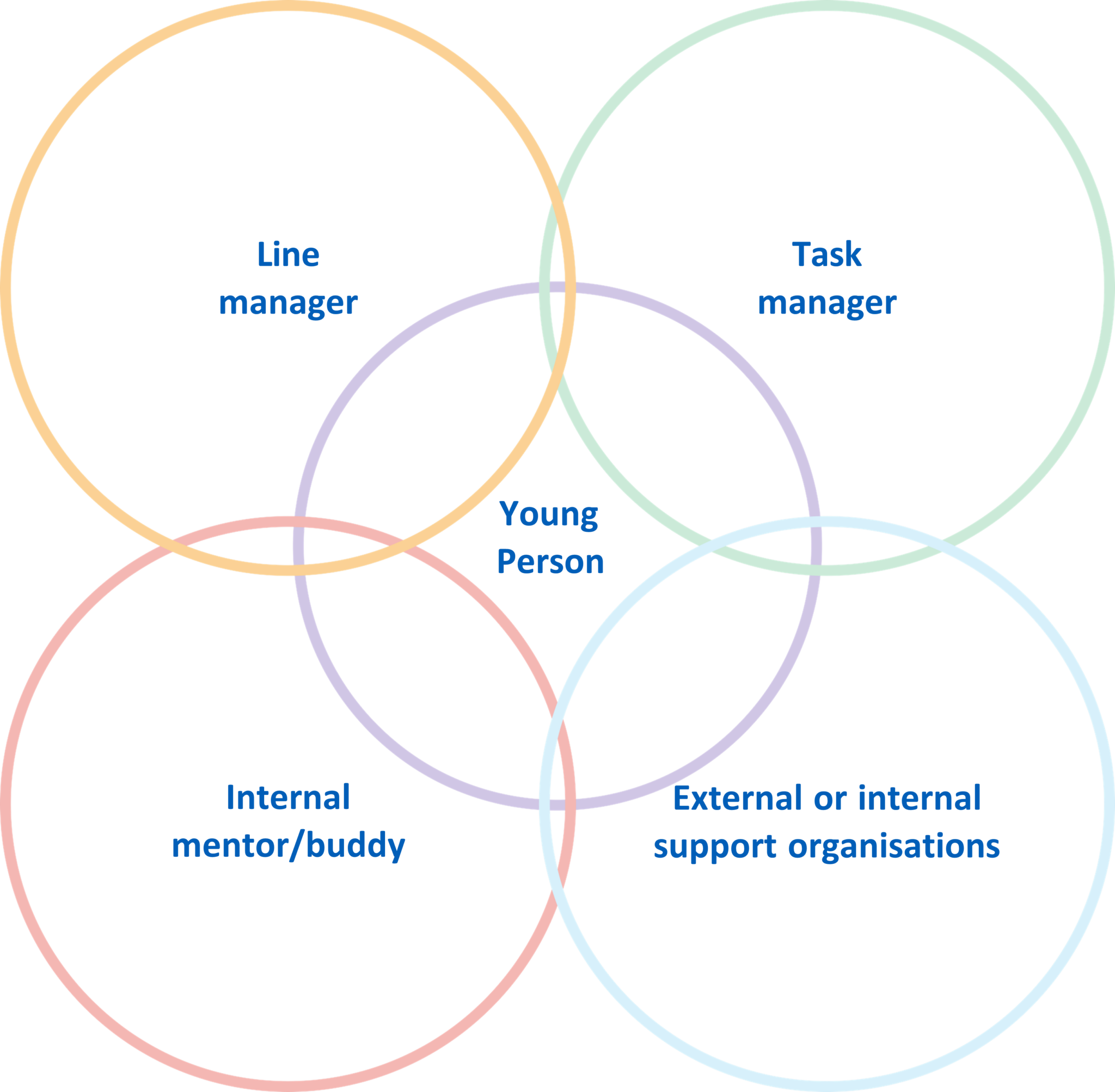
In NHS Birmingham and Solihull ICB, where James began his journey, they've established a consistent support system with representatives who can provide support, advice, and guidance on wellbeing, HR matters, recruitment, and inclusivity efforts.
The standard NHS recruitment process—formal and often daunting—has been thoughtfully adapted. Job advertisements now focus on attitudinal traits rather than extensive qualifications. Application procedures have been reconsidered to address the unique challenges care leavers might face—from lacking professional references to struggling with internet access.
Perhaps most significantly, the Programme acknowledges that beginning employment can create specific difficulties for care leavers who may be managing independent living without the backup of familial aid. Concerns like commuting fees, identification documents, and bank accounts—assumed basic by many—can become major obstacles.
The beauty of the Programme lies in its attention to detail—from explaining payslip deductions to helping with commuting costs until that critical first payday. Even ostensibly trivial elements like break times and professional behavior are thoughtfully covered.
For James, whose professional path has "transformed" his life, the Programme offered more than a job. It offered him a perception of inclusion—that ineffable quality that develops when someone senses worth not despite their background but because their distinct perspective enriches the workplace.
"Working for the NHS isn't just about doctors and nurses," James observes, his eyes reflecting the subtle satisfaction of someone who has found his place. "It's about a community of different jobs and roles, a group of people who truly matter."
The NHS Universal Family Programme represents more than an employment initiative. It exists as a bold declaration that systems can change to embrace those who have known different challenges. In doing so, they not only alter individual futures but enrich themselves through the unique perspectives that care leavers contribute.
As James moves through the hospital, his presence quietly demonstrates that with the right assistance, care leavers can flourish in environments once deemed unattainable. The arm that the NHS has offered through this Programme signifies not charity but acknowledgment of overlooked talent and the essential fact that each individual warrants a community that supports their growth.