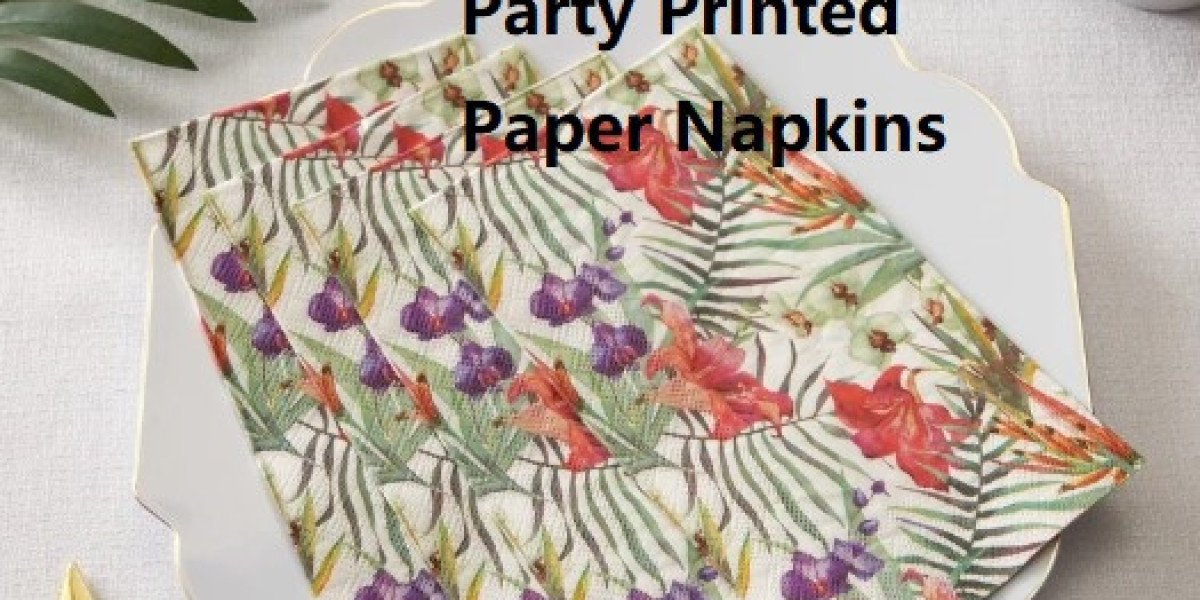

Event stylists and retailers increasingly request Party Printed Paper Napkins when assembling themed table settings, because napkins contribute color, messaging, and tactile detail that unify décor. Independent cafés and boutique shops often order Party Printed Paper Napkins to reinforce promotions and brand moments at point of service. This article explores material choices, printing approaches, finishing techniques, sustainable options, and practical ordering tips that help hosts and buyers choose napkins that look great and perform reliably.
Choosing the right paper and ply for feel and function
Not all napkins feel the same. Ply count (two-ply versus three-ply) affects absorbency, stiffness, and perceived quality. For intimate dinner events, a heavier ply with soft embossing reads as upscale; for outdoor festivals, a durable lighter ply keeps costs manageable while still offering a printed design. GSM (grams per square meter) is another useful metric — higher GSM generally means thicker, more absorbent paper. Consider whether napkins will be used for messier foods (higher absorbency needed) or primarily decorative purposes (appearance prioritized).
Printing methods and color control for consistent results
Different print technologies suit different production runs. Flexographic printing is cost-effective for large orders and consistent spot-color matching. Digital printing allows full-color artwork, photographic imagery, and economical short runs with virtually no plate setup. When color matching is important, request Pantone references and a printed proof; textured stock may exhibit dot gain, causing darker or softer edges. Discuss registration tolerances with suppliers so text and pattern elements align cleanly across folds. For metallic highlights, inquire about foil stamping or metallic inks and whether a protective varnish is needed to prevent rub-off.
Papernapkinfactory Customization and production workflows
Working with a nimble supplier simplifies the path from artwork to finished pack. Papernapkinfactory supports artwork checks, dieline preparation, and sample approvals before production. Good partners provide mockups and pre-press guidance — for instance, suggesting larger type or simplified motifs when printing on folded, textured stock. Turnaround depends on run size, finishing, and season; request lead-time estimates and consider buffer days for holidays or peak event seasons. For retailers, ask about standard SKUs, reorder cycles, and small-batch sampling so you can test a design in-market before committing to larger volumes.
Finishing touches: embossing, perforation, and packaging
Finishing elevates perceived value. Embossing adds dimensional texture that feels premium and hides minor registration issues. Perforated single-serves or individually wrapped napkins lend hygiene-conscious retail appeal. Custom banding or printed outer cartons supports retail display and gift-ready presentation. Some event buyers add matching stickers or ribbon kits; ask whether suppliers offer kitting and drop-shipping to venues. Thoughtful finishing not only improves the guest experience but can also make unpacking and setup faster for event teams.
Sustainable choices that don’t sacrifice style
Sustainability is no longer optional for many buyers. Look for responsibly sourced fiber certifications (FSC, PEFC) and inquire about recycled content percentages. Compostable inks and water-based varnishes reduce the environmental footprint, especially when events aim for zero-waste outcomes. When specifying compostable napkins, confirm local waste-management acceptance — compostability standards and municipal capabilities vary. Suppliers increasingly publish environmental data and end-of-life guidance to help clients make informed choices without compromising print quality.
Logistics, merchandising, and seasonal planning
Plan inventory around event calendars. Holidays and wedding seasons create predictable peaks; securing production slots early avoids rush premiums. For retail, coordinate palletization and point-of-sale displays with your distributor. Offer seasonal collections and limited-edition runs to create urgency and social-media traction. Keep simple reorders available for staples, and rotate featured designs to maintain freshness on shelves.
Selecting napkins that balance aesthetics, durability, sustainability, and cost requires clear communication with your supplier. Proofs, sample packs, and flexible minimum order options reduce risk and let you test designs in real conditions. Whether you’re producing branded napkins for a restaurant, themed sets for a wedding, or retail-ready collections, combining thoughtful materials with the right production process produces results that delight guests. For production options, sample inquiries, and ordering details, visit www.papernapkinfactory.com