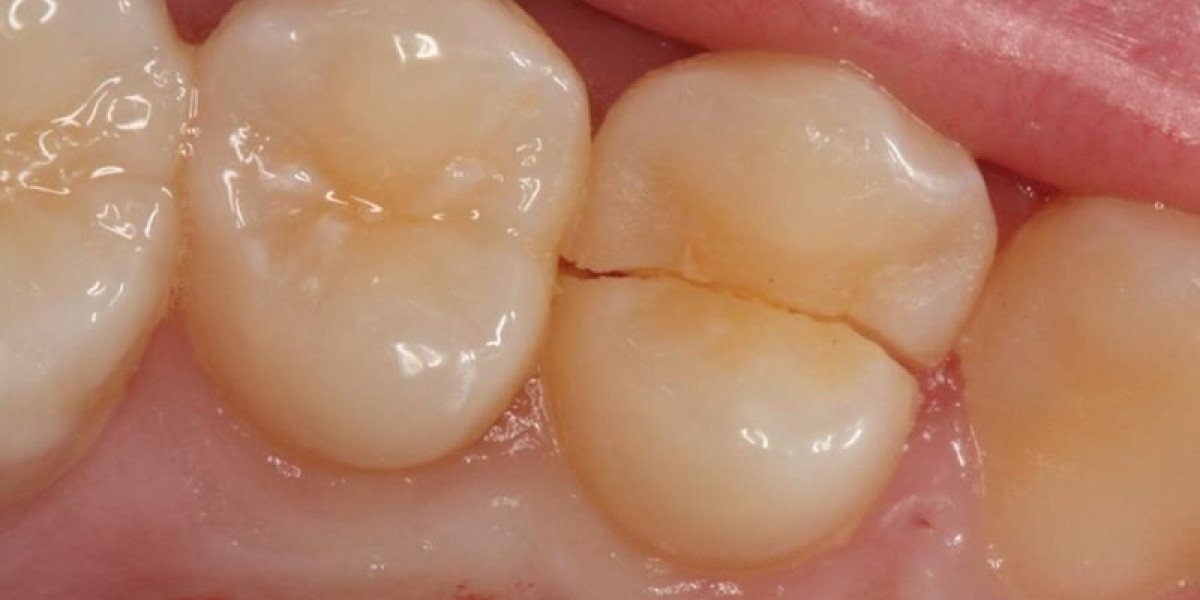

A Cracked Tooth can be difficult to recognize because the symptoms often come and go. Many people ignore early warning signs, assuming the discomfort will resolve on its own. However, even a small crack can worsen over time if left untreated, leading to more complex dental problems. Understanding how a Cracked Tooth feels is the first step toward protecting your oral health.
Because cracks are not always visible, the body’s signals play an important role in diagnosis. Sensitivity, pain while chewing, or sudden discomfort without a clear cause may all point to a Cracked Tooth. Knowing what to watch for allows you to seek timely care and prevent long-term damage.
Cracked Tooth Symptoms You Should Never Ignore
One of the earliest signs of a Cracked Tooth is pain that appears when biting down or releasing pressure. This discomfort may feel sharp and sudden, then disappear just as quickly. Such inconsistent pain often causes confusion, but it is a classic indicator that the tooth structure has been compromised.
Another common symptom of a Cracked Tooth is temperature sensitivity. Hot coffee or cold water may trigger discomfort that lingers longer than usual. Unlike routine sensitivity, this pain can feel deeper and more intense, suggesting that the crack is allowing stimuli to reach the inner layers of the tooth.
Pain While Chewing or Biting
Chewing-related pain is one of the most telling symptoms. When pressure is applied, the crack may briefly widen, irritating the nerves inside the tooth. This can create a sharp, stabbing sensation that subsides once pressure is released.
Over time, this type of pain may become more frequent. As the crack progresses, everyday activities like eating can become uncomfortable, making early evaluation essential to prevent further damage.
Sensitivity to Hot and Cold
Temperature sensitivity often accompanies cracks that extend beyond the enamel. When hot or cold substances enter the crack, they stimulate the nerves, causing discomfort that feels different from ordinary sensitivity.
If this reaction occurs repeatedly in the same area, it may signal a developing structural issue. Addressing the problem early can help preserve the tooth and reduce the risk of complications.
Other Physical Signs That May Indicate a Problem
Not all symptoms involve sharp pain. A Cracked Tooth may also cause a dull ache that comes and goes throughout the day. This lingering discomfort can be misleading, leading some individuals to delay seeking care even though the condition is gradually worsening.
Swelling or tenderness around the affected area is another possible sign of a Cracked Tooth. As bacteria enter the crack, the surrounding gum tissue may become inflamed. Dental practices such as Broadway Family Dentistry & Implants often emphasize that gum changes should never be ignored, especially when paired with tooth discomfort.
Intermittent Pain Without a Clear Cause
A hallmark of cracked teeth is pain that lacks a consistent trigger. You may feel fine one moment and experience discomfort the next, even without eating or drinking anything unusual.
This unpredictability is often due to slight movements within the cracked structure. Over time, these micro-movements can irritate the pulp, increasing the risk of infection.
Gum Sensitivity or Swelling
When a crack allows bacteria to penetrate deeper layers, the body may respond with localized swelling. This can appear as tenderness or redness near the affected tooth.
Persistent gum symptoms should always be evaluated. Clinics like Broadway Family Dentistry & Implants frequently see patients who initially noticed gum discomfort before realizing a deeper tooth issue was present.
How Symptoms Progress If Left Untreated
In the early stages, a Cracked Tooth may cause only mild discomfort. Many people adapt to these sensations, assuming they are temporary. Unfortunately, cracks do not heal on their own, and symptoms often intensify as the structure weakens.
As the condition advances, a Cracked Tooth may lead to infection or damage to the pulp. At this stage, pain can become constant and severe, often requiring more extensive treatment to save the tooth.
Increased Risk of Infection
When cracks deepen, bacteria gain access to the inner tooth. This can result in inflammation or infection, sometimes accompanied by throbbing pain or swelling.
Infections related to cracked teeth can spread if ignored. Early intervention reduces the likelihood of complex procedures and helps maintain overall oral health.
Changes in Bite or Tooth Alignment
Some people notice subtle changes in how their teeth come together. A compromised tooth structure can alter bite balance, leading to discomfort in the jaw or surrounding teeth.
Monitoring these changes is important. Dental professionals at Broadway Family Dentistry & Implants often stress that bite irregularities can be an early clue to underlying structural issues.
Final Thoughts
Recognizing the symptoms of a Cracked Tooth requires attention to small but persistent changes. Pain when chewing, sensitivity, and unexplained discomfort are not issues to dismiss. The sooner these signs are evaluated, the better the outcome for your smile and comfort.
A Cracked Tooth may start with mild symptoms, but progression is common without care. Awareness and prompt action are key to avoiding complications and preserving natural teeth.
Conclusion
Understanding the most common symptoms of a Cracked Tooth empowers you to take action before the problem escalates. From intermittent pain to temperature sensitivity and gum changes, each sign provides valuable insight into your dental health.
If you suspect a Cracked Tooth, seeking professional evaluation is essential. Early diagnosis can mean simpler treatment, less discomfort, and a healthier, more confident smile in the long run.