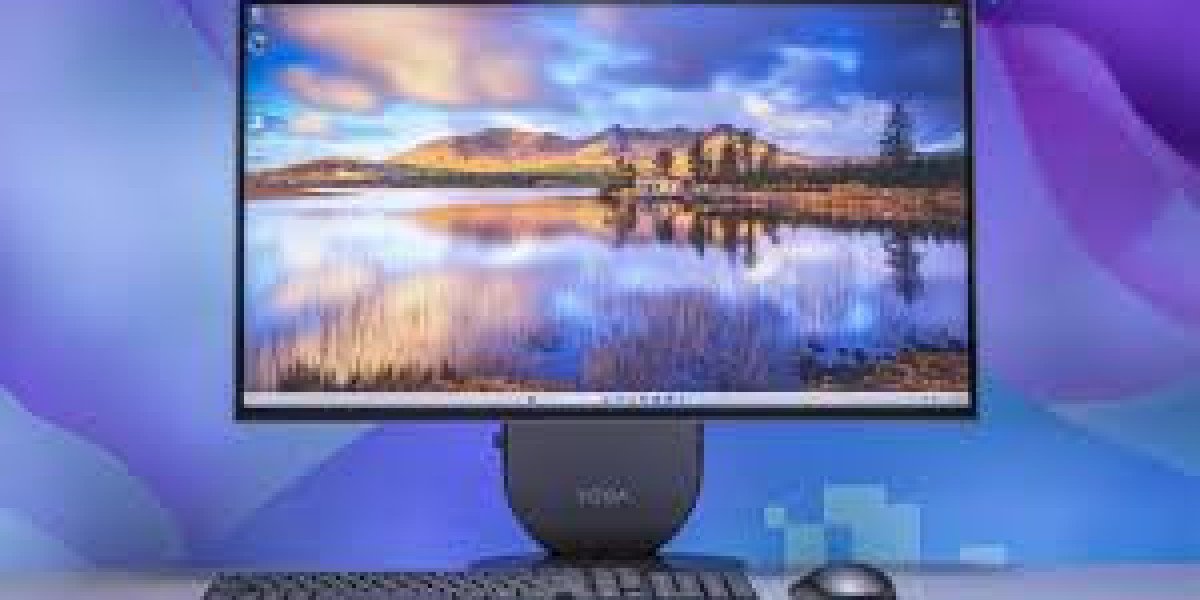

A desktop system remains one of the most powerful and reliable computing solutions in today’s technology-driven world. Whether used for business operations, creative design, programming, or gaming, desktop computers continue to outperform many portable devices in terms of speed, upgradeability, and overall performance. While laptops offer portability, desktop setups provide stability and higher processing power, making them a preferred choice for professionals and enthusiasts alike.
Why Desktop Systems Still Matter
In an era dominated by compact devices, desktop systems maintain a strong presence due to their hardware flexibility and performance efficiency. Unlike many portable devices, desktops allow users to upgrade components such as processors, memory, storage, and graphics cards with ease. This adaptability extends the system’s lifespan and ensures that it keeps up with evolving software demands.
Many organizations and home users search for the best desktop systems because they deliver consistent performance for multitasking, heavy workloads, and demanding applications. From handling large datasets to running complex design software, desktops offer reliable processing capabilities without overheating or slowing down under pressure.
Performance and Power Advantages
One major advantage of a desktop system is its superior processing power. Desktop processors are often more powerful than their mobile counterparts, providing higher clock speeds and better thermal management. This results in smoother performance when running advanced applications such as video editing software, 3D rendering tools, or high-end games.
In the mid-range and high-performance categories, a desktop system offers customizable configurations that match specific needs. Users can select high-capacity RAM, solid-state drives for faster boot times, and advanced graphics cards for enhanced visual performance. This level of customization ensures optimized productivity and efficiency.
Cost-Effectiveness and Longevity
When comparing overall value, desktop computers often prove to be more cost-effective over time. Since components can be upgraded individually, users do not need to replace the entire unit when performance requirements increase. Instead, they can simply upgrade specific parts, reducing long-term investment costs.
The best desktop systems also offer better durability. Their larger chassis allows improved airflow and cooling mechanisms, which protect internal components and enhance system stability. This makes desktops ideal for offices, educational institutions, and high-performance work environments.
Choosing the Right Desktop System
Selecting the right desktop depends on user requirements. For general office work, a system with moderate RAM and storage capacity may be sufficient. For gaming or content creation, higher-end processors, advanced GPUs, and expanded storage become essential.
It is important to consider factors such as scalability, compatibility, and future upgrade options before making a decision. A well-chosen desktop ensures consistent performance and long-term reliability.
Conclusion
Despite the rise of portable computing devices, the desktop system continues to dominate in terms of power, customization, and value. Whether for professional use or personal computing, investing in one of the best desktop systems ensures dependable performance and lasting efficiency.