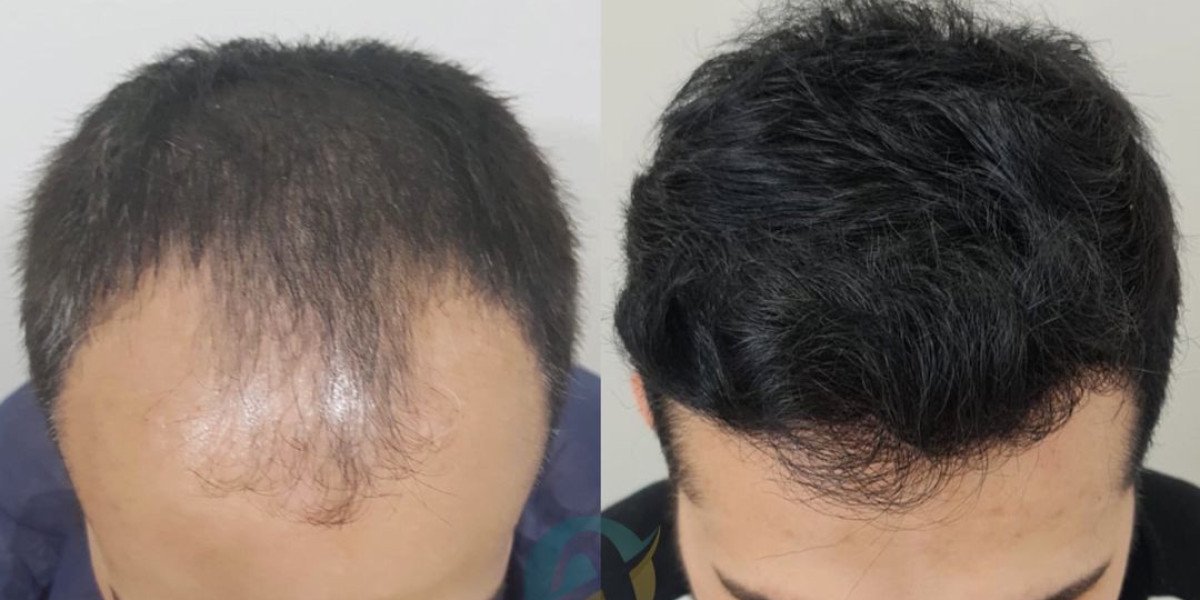

Modern cosmetic procedures now provide reliable solutions, and one of the most effective options is hair transplant in Islamabad, a procedure that restores natural hair growth and improves overall hair density.
With advanced technology and skilled surgeons, hair transplantation now offers natural-looking, long-lasting results, making it a preferred solution for individuals struggling with hair loss.
What is a Hair Transplant?
A hair transplant is a surgical procedure that relocates healthy hair follicles from a donor area to thinning or bald areas of the scalp. The donor area is usually the back or sides of the scalp, as hair in these regions is genetically resistant to hair loss.
Once transplanted, these follicles grow naturally in the new area, making hair transplantation a permanent solution for hair restoration. The procedure aims to restore a natural hairline and increase overall hair density in affected areas.
Causes of Hair Loss
Hair loss can occur due to multiple factors. Understanding the cause is important to determine the most suitable treatment.
Common causes include:
Genetic predisposition (male or female pattern baldness)
Hormonal changes
Aging and reduced hair growth cycles
Stress and lifestyle factors
Medical conditions or medications
Poor nutrition and vitamin deficiencies
While temporary treatments may slow down hair loss, they cannot restore hair in areas where follicles have stopped functioning. Hair transplantation offers a long-term solution by relocating healthy follicles.
Hair Transplant Techniques
Modern clinics use advanced techniques to ensure natural results and minimal discomfort.
Follicular Unit Extraction (FUE)
FUE is a minimally invasive technique in which individual hair follicles are extracted from the donor area and implanted into thinning or bald areas.
Benefits of FUE include:
Minimal scarring
Faster recovery
Natural hair growth pattern
Less discomfort
FUE is highly preferred due to its precision and effectiveness.
Follicular Unit Transplantation (FUT)
FUT involves removing a thin strip of scalp from the donor area, separating hair follicles, and transplanting them to the recipient area.
This method is often recommended for patients needing a large number of grafts for extensive hair loss. Both techniques provide effective, permanent results when performed by experienced surgeons.
Who is a Suitable Candidate?
Hair transplant is ideal for individuals who have permanent hair loss and sufficient donor hair.
Ideal candidates include:
Men with male pattern baldness
Women with thinning hair
Individuals with receding hairlines
Patients with healthy donor hair
People with realistic expectations
A consultation with a qualified specialist is essential to determine if a patient is suitable for the procedure.
The Hair Transplant Procedure
The procedure begins with a detailed consultation where the surgeon evaluates the scalp and plans the treatment based on hair loss patterns.
Steps involved in the procedure:
Cleaning and preparing the scalp
Administering local anesthesia
Extracting hair follicles from the donor area
Creating small incisions in the recipient area
Implanting follicles carefully to recreate a natural hairline
The procedure typically takes several hours depending on the number of grafts required. Most patients can return home the same day.
Recovery and Hair Growth Timeline
Recovery after hair transplant surgery is generally straightforward. Patients may experience mild redness, swelling, or scabbing initially.
Hair growth timeline:
First few weeks: Temporary shedding of transplanted hair
3–4 months: Initial growth begins
6 months: Hair becomes thicker
9–12 months: Full results with natural density
Following post-surgery instructions ensures optimal results.
Benefits of Hair Transplant
Hair transplantation offers multiple advantages:
Permanent restoration of hair
Natural-looking hairline
Improved hair density and appearance
Boost in confidence
Minimal maintenance after growth
Transplanted hair behaves like natural hair and can be washed, styled, and cut normally.
Choosing a Reliable Clinic
The success of a hair transplant depends on the surgeon’s expertise and clinic facilities. Patients should select clinics that provide modern technology, experienced specialists, and proper aftercare.
Important considerations include:
Qualified and experienced surgeons
Use of advanced surgical techniques
Positive patient reviews
Comprehensive consultation and follow-up care
Many individuals trust Enfield Royal Clinic for professional hair restoration services. The clinic emphasizes personalized care, safety, and delivering natural, long-lasting results.
Conclusion
Hair loss can significantly impact self-esteem, but modern medical procedures provide permanent solutions. Hair transplant surgery restores natural hair growth, improves hair density, and helps regain confidence.
With skilled specialists, advanced techniques, and proper aftercare, patients can achieve long-lasting, natural-looking results. Choosing a trusted clinic is the first step toward successful hair restoration and a fuller head of hair.