
Introduction
Fishbowl activity and Fishbowl Discussion are powerful methods used to create structured, meaningful conversations in classrooms and training spaces. Instead of having everyone speak at once, this approach organizes discussion in a way that encourages listening, reflection, and thoughtful participation.
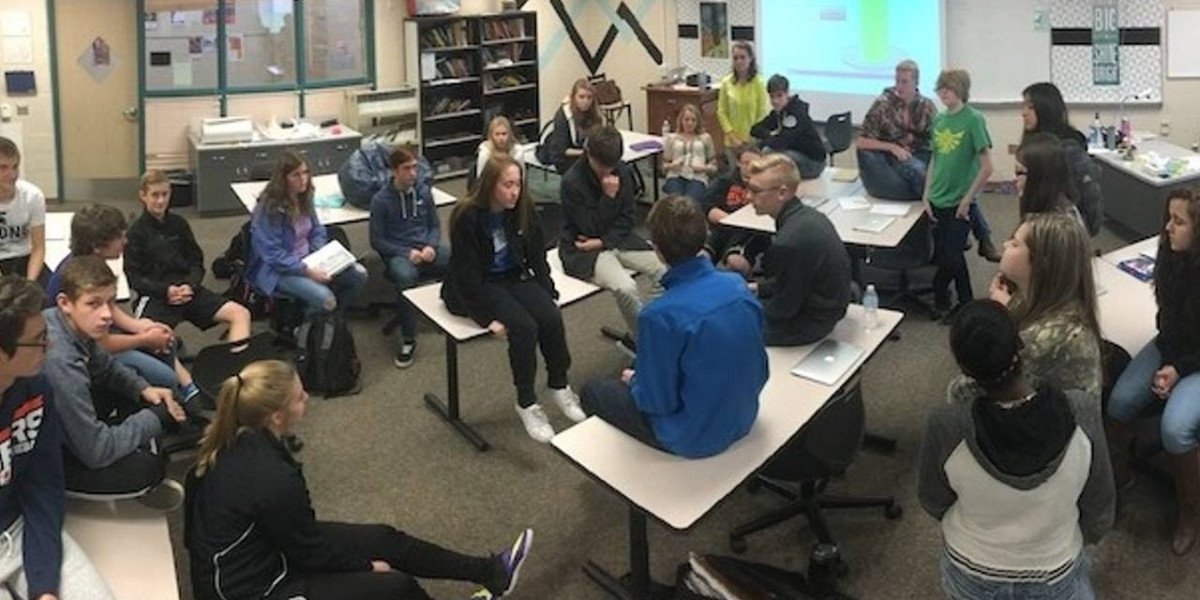
The Fishbowl activity helps learners observe and engage at the same time. In a Fishbowl Discussion, a small group talks in the center while others sit around them and listen carefully. Later, participants switch roles. This simple structure can transform how discussions happen in educational settings.
What Is a Fishbowl Activity?
A Fishbowl activity is a discussion format where participants are divided into two groups:
Inner circle (the “fishbowl”) – actively discussing the topic
Outer circle – observing, listening, and taking notes
After a set time, participants may rotate so others get a chance to speak. The goal is to create a focused and respectful environment for sharing ideas.
The Fishbowl strategy is often used when the topic is complex, sensitive, or requires deep thinking. It prevents chaos and ensures that every voice has a chance to be heard.
How Does a Fishbowl Discussion Work?
The process is simple and easy to apply:
The teacher or facilitator introduces a topic or question.
A small group sits in the center and begins discussing.
The outer group listens without interrupting.
Observers may take notes on key points or questions.
After some time, roles switch.
This Fishbowl exercise creates balance. It avoids situations where only a few confident individuals dominate the conversation.
For example, in a literature class discussing a novel, five students might analyze the main character’s decisions in the inner circle. Meanwhile, the outer group listens and notes different perspectives. When roles switch, the second group builds on or challenges earlier ideas.
Why the Fishbowl Teaching Strategy Is Effective
1. Encourages Active Listening
Many discussions fail because participants focus only on what they want to say next. The Fishbowl teaching strategy requires students to truly listen before responding.
2. Reduces Interruptions
Since only the inner circle speaks, conversations stay organized and respectful.
3. Builds Confidence
Some students hesitate to speak in large groups. Watching first helps them feel prepared when it’s their turn.
4. Promotes Critical Thinking
Observers analyze arguments, evidence, and reasoning before joining the conversation.
Real-Life Classroom Example
Imagine a social science class discussing climate change policies. The teacher forms an inner circle of six students representing different viewpoints—government officials, environmental activists, business owners, and citizens.
They discuss possible solutions and challenges. The outer group listens carefully and notes:
Strong arguments
Weak reasoning
Missing perspectives
After 15 minutes, the outer group replaces the inner circle and continues the conversation. Because they have been listening closely, their contributions are more thoughtful and informed.
This kind of Fishbowl activity creates deeper understanding compared to open, unstructured debates.
Variations of the Fishbowl Strategy
The Fishbowl strategy can be adjusted depending on the learning goal:
Open Fishbowl
One empty chair is left in the inner circle. Anyone from the outer circle can join briefly to add a point, then return to their seat.
Closed Fishbowl
Only assigned participants speak, and roles change after a set time.
Online Fishbowl
In virtual classrooms, one group speaks on camera or microphone while others observe in listening mode.
Each variation keeps the structure while adapting to different learning environments.
When to Use a Fishbowl Exercise
The Fishbowl exercise works especially well for:
Debates on social issues
Literature analysis
Case study discussions
Teacher training sessions
Corporate workshops
It is also useful when discussing sensitive topics. The structured format creates a safe space for sharing ideas respectfully.
Common Challenges and Solutions
Unequal Participation
Some students may still hesitate. Assigning clear speaking roles or time limits helps balance participation.
Lack of Preparation
If participants are unprepared, discussions may feel shallow. Providing guiding questions in advance improves quality.
Time Management
Without clear timing, sessions can run long. Setting a fixed schedule keeps the activity productive.
How It Benefits Students Beyond the Classroom
The Fishbowl teaching strategy develops skills that are valuable in real life:
Public speaking
Active listening
Respectful disagreement
Analytical thinking
Team collaboration
In workplaces and community settings, structured discussions are often more productive than open debates. Students who practice through Fishbowl discussions are better prepared for such environments.
Conclusion
Fishbowl activity and Fishbowl Discussion offer a simple yet effective way to organize meaningful conversations. By dividing participants into speakers and observers, the method encourages listening, reflection, and balanced participation.
Whether used in schools, universities, or professional training sessions, the Fishbowl strategy supports thoughtful dialogue and deeper understanding. It proves that sometimes, changing the structure of a discussion can completely change the quality of learning.