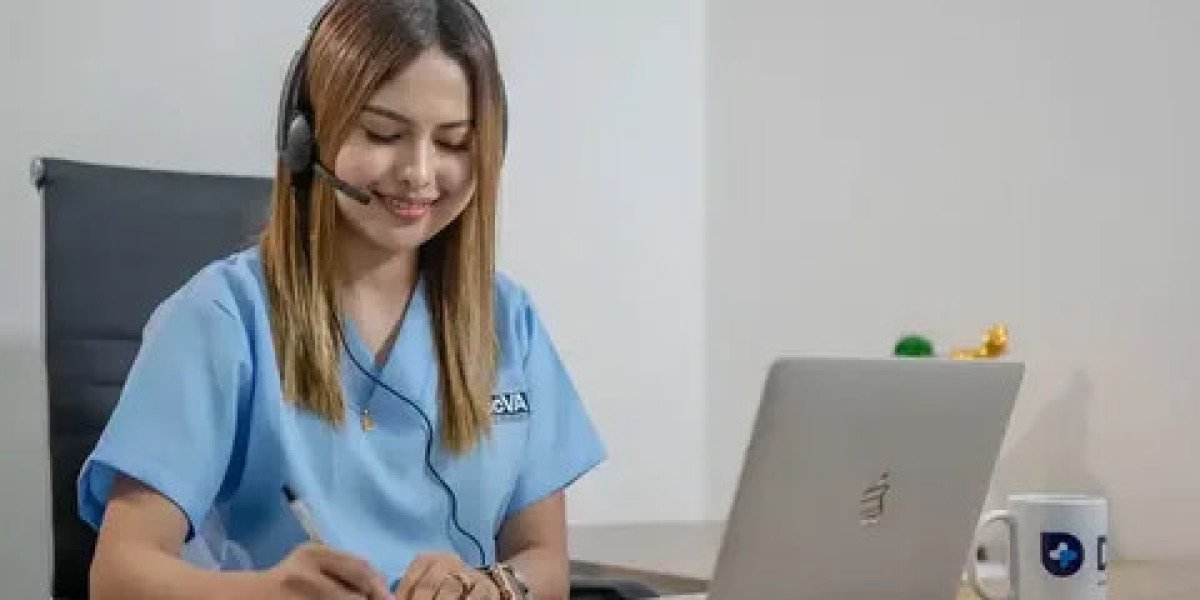

Accurate medical documentation is the backbone of effective healthcare delivery. Every diagnosis, treatment plan, and follow-up decision depends on clear and complete patient records. However, increasing patient loads and administrative demands make it difficult for providers to document every detail accurately. Virtual medical scribe positions help solve this challenge by supporting physicians with real-time documentation, ultimately improving accuracy and consistency across medical records.
The Role of Medical Scribes in Clinical Settings
Medical scribes are trained professionals who assist healthcare providers by documenting patient encounters during or immediately after visits. They record patient histories, symptoms, physical examination findings, diagnostic results, and physician instructions directly into electronic health records (EHRs). Because documentation is completed in real time, the risk of omissions or inaccuracies caused by delayed note-taking is significantly reduced. This precise documentation helps ensure that patient records accurately reflect clinical encounters.
How Virtual Medical Scribes Enhance Documentation Accuracy
The rise of the virtual medical scribe has transformed how healthcare facilities manage documentation. Virtual scribes work remotely, listening to patient-provider interactions through secure platforms and updating records simultaneously. This model allows practices to maintain high documentation standards without increasing on-site staff. A virtual medical scribe also helps reduce physician burnout by handling charting tasks efficiently, leading to more focused and error-free documentation.
Reducing Errors Through Real-Time Documentation
One of the most important benefits of medical scribe positions is the reduction of documentation errors. When physicians document encounters hours later, details may be forgotten or misinterpreted. Scribes capture information as it is discussed, ensuring that clinical notes remain accurate and complete. This level of precision is especially important for complex cases that involve multiple symptoms, medications, or diagnostic tests.
Supporting Medical Transcription Service Workflows
Medical scribe roles complement the medical transcription service process by ensuring that initial documentation is clear and well structured. Accurate scribe notes make transcription tasks easier and more reliable, resulting in higher-quality patient records. When documentation starts with detailed and accurate notes, the overall documentation workflow becomes smoother, reducing the need for corrections or clarifications later.
Improving Communication Across Healthcare Teams
Accurate documentation improves communication among physicians, nurses, specialists, and administrative staff. Medical scribes ensure that records are consistent and easy to understand, which supports seamless care coordination. Clear documentation helps healthcare teams quickly review patient histories, understand treatment plans, and make informed decisions without confusion or delays.
Enhancing Compliance and Legal Protection
Precise medical documentation is essential for meeting regulatory and legal requirements. Incomplete or inaccurate records can lead to compliance issues, claim denials, or legal complications. Medical scribe positions help maintain thorough and organized records that meet documentation standards. This accuracy protects healthcare providers while also supporting proper billing and coding practices.
Boosting Efficiency Without Sacrificing Quality
By handling documentation tasks, medical scribes allow providers to see more patients without compromising documentation quality. The combination of efficiency and accuracy benefits both healthcare organizations and patients. Virtual medical scribe solutions further enhance this efficiency by offering flexible, scalable support that adapts to changing workloads.
Conclusion
Medical scribe positions play a crucial role in improving accuracy in medical documentation. Through real-time charting, support for medical transcription service workflows, and the growing use of virtual medical scribe models, healthcare providers can maintain high-quality patient records while focusing on patient care. As documentation demands continue to grow, medical scribes remain an essential solution for accuracy, efficiency, and better clinical outcomes.