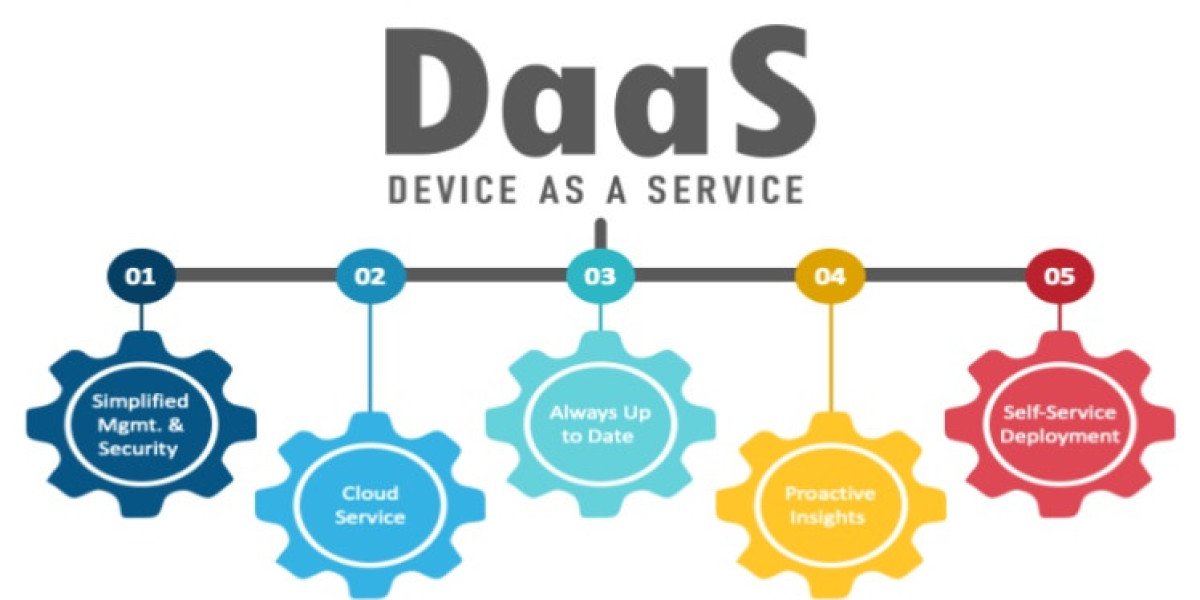

Contemporary device subscription markets demonstrate distinct patterns in service model evolution and adoption approaches continuously. The Device as a Service Market Trends reveal significant shifts in enterprise technology consumption priorities and methods. Organizations increasingly prioritize comprehensive service bundles over basic device leasing arrangements substantially today. The Device as a Service Market size is projected to grow USD 1804.35 Billion by 2035, exhibiting a CAGR of 25.64% during the forecast period 2025-2035. Everything-as-a-Service convergence transforms device subscription as part of broader consumption model shifts. Sustainability emphasis gains importance as environmental responsibility influences device procurement decisions significantly. Remote workforce support adapts subscription programs to distributed employee requirements and hybrid work models. Security integration becomes standard as endpoint protection embeds within device subscription offerings comprehensively. User experience focus drives investments as employee satisfaction influences productivity and retention outcomes. Analytics advancement provides deeper insights into device utilization driving optimization decisions strategically.
Technology convergence trends see integration of multiple capabilities creating comprehensive workplace technology platforms. Unified endpoint management connects device subscription with software and security management seamlessly. Digital workspace integration combines devices with virtual desktop and application delivery services. Collaboration tool bundling includes communication and productivity applications within subscription packages conveniently. Connectivity integration adds network access services to device subscription for mobile workers. Zero-trust security integration embeds identity and access management within device programs. Automation advancement reduces manual device management effort through intelligent workflows. Artificial intelligence applications enable predictive analytics and proactive issue resolution capabilities. Cloud integration connects device management with enterprise cloud platforms for unified administration.
Sustainability trends emphasize environmental responsibility throughout device subscription lifecycle management approaches. Circular economy practices extend device life through refurbishment and secondary market channels. Carbon footprint tracking measures and reports environmental impact of device fleet operations. Renewable material preferences influence device selection toward sustainably manufactured hardware options. Energy efficiency optimization reduces power consumption across managed device fleets continuously. Responsible recycling ensures proper handling of end-of-life devices and components safely. Packaging reduction minimizes waste through optimized device shipping and delivery practices. Sustainability reporting provides customers with environmental impact data for corporate responsibility reporting. Extended lifecycle options delay device refresh reducing resource consumption and waste generation.
Organizational trends focus on strategic technology consumption and workforce experience optimization approaches. Consumption-based pricing shifts toward usage-aligned cost models for certain device categories. Flexibility enhancement provides adaptable terms responding to organizational changes and requirements. Employee choice programs allow workers to select preferred devices within subscription frameworks. Experience measurement tracks employee satisfaction with devices and support services continuously. Outcome-based services link subscription costs to productivity and performance metrics. Vendor consolidation simplifies technology procurement through comprehensive single-provider relationships. Strategic partnerships elevate vendor relationships from transactional to collaborative arrangements. Total cost optimization considers full lifecycle expenses in device subscription decisions.
Top Trending Reports -
UK Smart Infrastructure Market Competitive Landscape