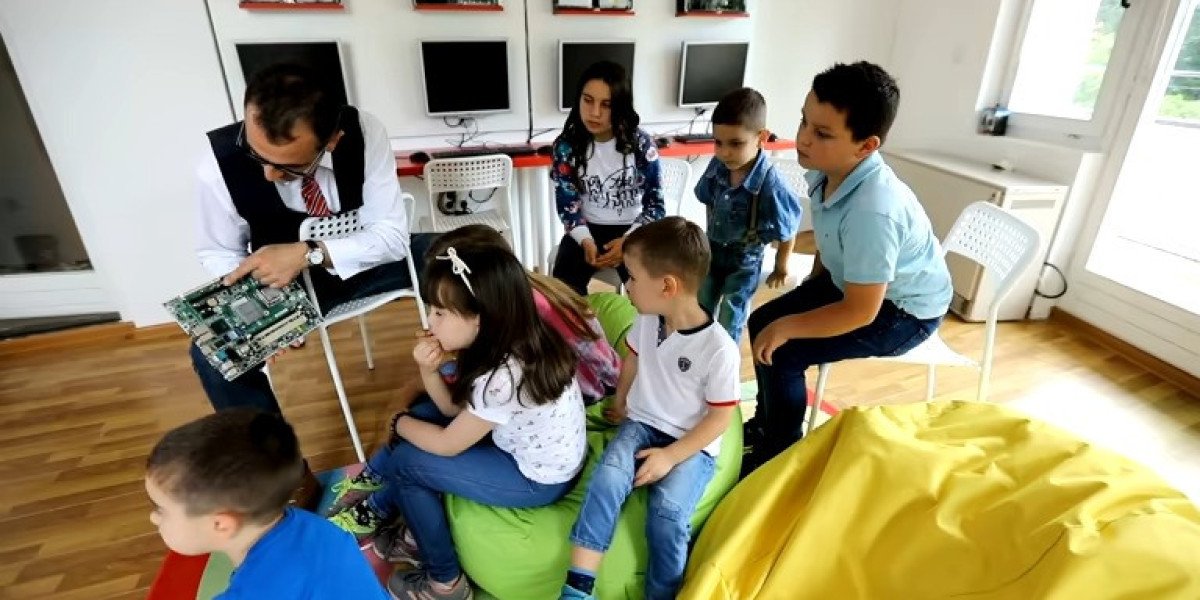

In today's technology-driven world, equipping children with programming skills has become as essential as traditional literacy and numeracy, opening doors to countless opportunities in education and future careers. Parents throughout New Jersey are increasingly enrolling their children in java courses for kids in nj, recognizing that early exposure to coding provides foundational skills that benefit students across all academic disciplines while preparing them for a job market where technical literacy continues to grow in importance.
Understanding Why Java is Perfect for Young Learners
Java courses for kids in nj provide an excellent introduction to computer science concepts because the language balances accessibility with professional-grade capabilities that remain relevant as students advance. Unlike some programming languages designed specifically for children that must eventually be abandoned for more serious work, Java knowledge translates directly into real-world applications and college-level computer science courses. The language's object-oriented nature teaches students to think in terms of reusable components and logical structures, developing organizational thinking that benefits problem-solving across all subjects. Java's syntax, while initially seeming complex, follows consistent rules that help children develop attention to detail and precision in their work. The immediate visual feedback available through Java programs, whether creating games, animations, or interactive applications, keeps young learners engaged by allowing them to see tangible results from their coding efforts. The extensive documentation and learning resources available for Java mean that students who develop passion for programming have virtually unlimited materials for continued self-directed learning. Java's platform independence, encapsulated in the principle of "write once, run anywhere," introduces children to important concepts about software portability and cross-platform development that define modern computing.
How Java Skills Complement Other Technology Programs
Students enrolled in java courses for kids in nj often discover that their programming knowledge enhances their performance in other technology education programs, creating synergistic learning experiences. Children participating in drones courses for kids in nj find that Java programming skills enable them to better understand the software controlling drone flight paths, sensor data processing, and autonomous navigation systems. The logical thinking developed through Java coding translates seamlessly into the problem-solving required for drone operation and customization. Many advanced drone applications involve custom programming for specialized missions, and students with Java backgrounds can more easily adapt to the languages used in drone programming environments. The combination of Java software skills and drone hardware expertise positions students uniquely in the growing field of robotics and automation. Both Java programming and drone technology emphasize systematic thinking, breaking complex challenges into manageable components, and testing solutions iteratively until desired results are achieved. Students who pursue both paths often report that each discipline reinforces concepts from the other, accelerating overall technology comprehension.
Career Preparation and Future Opportunities
Investing in java courses for kids in nj provides children with skills directly applicable to some of the most in-demand and well-compensated career paths available in today's economy. Software development roles consistently rank among the highest-paying positions accessible to individuals without advanced degrees, and Java remains one of the most sought-after languages by employers worldwide. Early exposure to programming helps children determine whether computer science might align with their interests and aptitudes long before critical college major decisions must be made. Students who discover passion for coding often pursue advanced placement computer science courses in high school, providing college credit opportunities and strengthening university applications. Beyond direct software development careers, Java knowledge proves valuable in fields like data science, cybersecurity, artificial intelligence, and systems engineering that require understanding of how software operates even when not writing code full-time. The problem-solving methodologies learned through programming transfer remarkably well to entrepreneurship, as technical founders who can build their own prototypes enjoy significant advantages in startup environments. Combining Java expertise with hands-on experience from drones courses for kids in nj creates particularly compelling profiles for robotics engineering, aerospace technology, and autonomous systems development careers.
Building Problem-Solving and Logical Thinking Skills
The cognitive benefits of learning Java extend far beyond technical knowledge, fundamentally enhancing how children approach challenges across all areas of their lives. Programming requires breaking large, intimidating problems into smaller, manageable pieces that can be addressed systematically, a skill that improves academic performance in mathematics, science, and even essay writing. Debugging code teaches persistence and resilience, as students learn that errors represent opportunities for learning rather than failures, developing growth mindsets that serve them throughout education and career. The immediate feedback loop in programming, where code either works or doesn't, helps children develop honest self-assessment abilities and reduces tendency to make excuses for incomplete work. Pattern recognition skills sharpened through identifying repeated code structures and opportunities for function reuse enhance mathematical reasoning and scientific thinking. The precision required in programming, where a single misplaced character can break an entire application, cultivates attention to detail and careful verification habits. Collaborative programming projects teach communication skills as students must explain their code to teammates, receive feedback constructively, and integrate their work with others' contributions seamlessly.
What Makes New Jersey an Ideal Location for Tech Education
New Jersey's unique position as home to numerous technology companies, pharmaceutical firms with significant IT needs, and proximity to major tech hubs creates an environment where java courses for kids in nj prepare students for locally abundant opportunities. The state's strong school systems and technology-forward communities mean high-quality instruction and peer groups that value STEM education. Many New Jersey communities have established makerspaces, coding clubs, and technology competitions that complement formal coursework and provide additional practice opportunities. The concentration of technology professionals living in New Jersey creates a robust ecosystem of mentors, instructors, and role models who inspire young learners and provide guidance about career paths. Programs offering drones courses for kids in nj similarly benefit from the state's infrastructure, including safe spaces for flight practice and communities of enthusiasts who support youth education. New Jersey's relatively high cost of living makes technical skills particularly valuable for residents, as these capabilities provide pathways to lucrative careers that support comfortable lifestyles in the state. Universities throughout New Jersey offer strong computer science programs, creating natural progression opportunities for students who develop passion for programming during their K-12 years.
Choosing the Right Java Program for Your Child
Selecting appropriate java courses for kids in nj requires evaluating several factors to ensure the program matches your child's current skill level, learning style, and educational goals. Instructor qualifications matter significantly, as effective teaching of programming requires not just technical knowledge but also patience and ability to explain complex concepts in age-appropriate ways. Class size influences the amount of individual attention students receive, with smaller groups generally providing more personalized instruction though sometimes at higher cost. Curriculum structure should progress logically from foundational concepts through increasingly sophisticated projects that maintain engagement without overwhelming students. Hands-on project emphasis ensures that students spend time actually writing code rather than only watching demonstrations, as active practice proves essential for skill development. Integration opportunities with other programs like drones courses for kids in nj can provide compelling real-world applications that motivate continued learning. Schedule flexibility accommodates busy family calendars, with some programs offering weekend or evening sessions that don't conflict with school and extracurricular activities. Trial classes or introductory sessions allow children to experience teaching style and determine genuine interest before families commit to full course sequences.
Supporting Your Child's Coding Journey at Home
Parents can significantly enhance the value of java courses for kids in nj by creating supportive home environments that encourage continued practice and exploration between formal lessons. Providing adequate computer access with appropriate software installed removes technical barriers that might otherwise frustrate young programmers attempting to practice independently. Showing genuine interest in children's projects by asking them to explain what they've created and how their code works reinforces the value of their efforts and provides presentation practice. Connecting programming to children's existing interests, whether that's creating games based on favorite characters or building applications related to hobbies, maintains motivation during challenging learning phases. Celebrating small victories and maintaining patience during inevitable frustrations helps children develop persistence needed for mastering complex technical skills. Encouraging participation in online coding communities, competitions, and hackathons provides additional challenges and social connections with peers who share technology interests. Balancing screen time concerns with recognition that some computer use represents valuable skill development rather than passive entertainment helps families navigate modern parenting challenges. Exploring complementary activities like drones courses for kids in nj creates well-rounded technology education that combines programming with physical engineering and hands-on operation.
Conclusion
The decision to enroll children in Java programming courses represents an investment in their future that yields returns far exceeding the immediate acquisition of coding skills. Students who learn Java develop logical thinking abilities, problem-solving methodologies, and technical literacy that enhance academic performance across all subjects while opening doors to exciting and lucrative career opportunities. New Jersey's strong technology ecosystem, quality educational institutions, and proximity to major tech centers make it an ideal location for children to develop programming expertise surrounded by resources and communities that value these skills. The versatility of Java ensures that knowledge gained during childhood remains relevant and applicable throughout students' educational journeys and professional careers, unlike narrowly focused skills that quickly become obsolete. Parents seeking comprehensive technology education for their children will find that combining Java programming with hands-on experiences creates powerful learning synergies where each discipline reinforces and enhances the other. The cognitive benefits of learning to code extend beyond career preparation, fundamentally improving how children approach challenges, persist through difficulties, and think systematically about complex problems. As automation and artificial intelligence continue transforming the employment landscape, programming skills provide young people with capabilities that position them as creators and controllers of technology rather than passive consumers displaced by technological change. Brainy n Bright understands that early exposure to quality technology education sets the foundation for lifelong success, offering programs that make complex concepts accessible and engaging while nurturing each child's unique potential in supportive environments where curiosity flourishes and technical mastery develops naturally through exploration and practice.