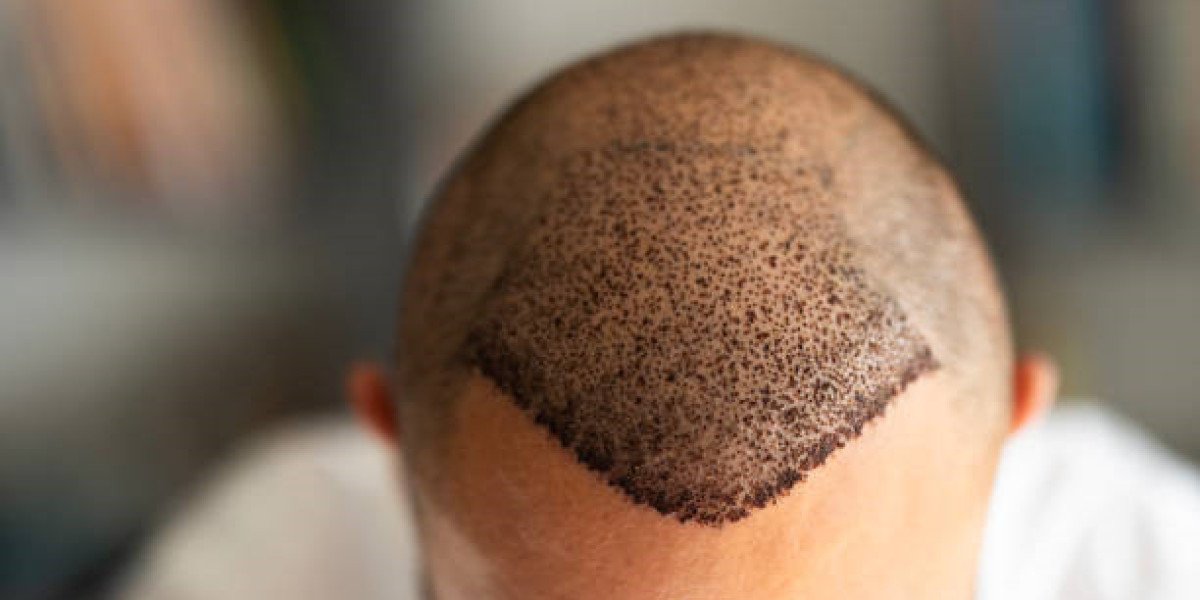

Imagine waking up every day with confidence radiating from a fuller, natural-looking head of hair. For many women battling thinning strands or pattern baldness, Hair Transplant in Riyadh offers a transformative solution. This procedure isn't just for men—women increasingly turn to it for lasting results that blend seamlessly with their natural hairline.
Many wonder, How much does a hair transplant cost in Riyadh? (كم تكلفة زراعة الشعر في الرياض) While factors like technique and extent influence pricing, the focus here remains on the empowering journey of Hair Transplant in Riyadh, helping women reclaim their youthful appearance without invasive alternatives.
Understanding Hair Loss in Women
Hair thinning affects millions of women worldwide, often due to hormonal shifts, genetics, or stress. Unlike male pattern baldness, female hair loss tends to diffuse, creating widespread thinning rather than receding hairlines. Hair Transplant in Riyadh addresses this uniquely by targeting donor areas with precision.
This section dives into common causes like polycystic ovary syndrome (PCOS), postpartum changes, or menopause, explaining why traditional treatments fall short. Readers gain insights into recognizing early signs, empowering them to seek Hair Transplant in Riyadh before loss worsens.
Who is an Ideal Candidate for Hair Transplant?
Not every woman needs a transplant immediately—ideal candidates show stable hair loss patterns with sufficient donor hair from the back or sides of the scalp. Younger women with progressive thinning might explore medications first, but those over 30 with stabilized loss benefit most from Hair Transplant in Riyadh.
Consultations assess scalp health, donor density, and expectations. This ensures realistic outcomes, like fuller crowns or filled temples, tailored to feminine hairlines for undetectable results.
Medical History Review
Doctors evaluate thyroid issues, nutritional deficiencies, or medications causing shedding. A thorough check prevents post-procedure complications.
Scalp and Hair Analysis
Magnified exams measure follicle density and miniaturization, pinpointing transplant viability.
Popular Hair Transplant Techniques for Women
Modern Hair Transplant in Riyadh employs advanced methods suited to delicate female scalps. Follicular Unit Extraction (FUE) shines for minimal scarring, ideal for women wearing hair up or short styles.
Follicular Unit Transplantation (FUT) suits extensive loss, harvesting strips for maximum grafts. Both prioritize natural angles mimicking female hair growth.
FUE: Precision and Scar-Free
Tiny punches extract individual follicles, promoting quick healing and flexibility in styling.
FUT: High-Yield for Density
Linear harvest yields more grafts, perfect for widespread thinning, with concealed scarring under longer hair.
Step-by-Step Hair Transplant Process
The Hair Transplant in Riyadh journey spans consultation to full recovery, designed for comfort and precision. It starts with a detailed scalp mapping using digital tools for optimal graft placement.
Day-of surgery involves local anesthesia, ensuring a pain-free experience. Grafts—tiny hair-bearing units—are meticulously implanted to follow natural swirl patterns unique to women.
Pre-Procedure Preparation
Lifestyle tweaks like quitting smoking and optimizing diet enhance graft survival rates.
The Surgery Day Breakdown
From donor shaving (often undetectable in women) to implantation, the process lasts 4-8 hours, with breaks for comfort.
Immediate Post-Op Care
Gentle washing routines and protective hats safeguard new follicles from day one.
Recovery Timeline and What to Expect
Recovery from Hair Transplant in Riyadh surprises many with its smoothness—most women resume light activities within days. Initial shedding occurs around week two, a normal "shock loss" phase where transplanted hairs rest before regrowth.
By month three, baby hairs emerge, thickening progressively. Full density arrives at 12-18 months, revealing vibrant, permanent results.
Week-by-Week Milestones
Days 1-7 focus on scab shedding; weeks 2-4 avoid sun exposure. Months 1-3 track early sprouting.
Managing Discomfort
Mild swelling or itching resolves with prescribed topicals, rarely needing downtime beyond a week.
Achieving Natural-Looking Results
Hair Transplant in Riyadh excels in artistry, with surgeons blending grafts to match texture, curl, and direction. Women love how results mimic untouched hair, boosting self-esteem without telltale signs.
Advanced tech like robotic assistance ensures even distribution, preventing unnatural pluggy looks from outdated methods.
Customization for Female Hairlines
Softer, rounded designs preserve feminine aesthetics, unlike angular male patterns.
Longevity and Maintenance
Transplanted follicles resist future loss, thriving lifelong with basic shampoos and trims.
Potential Side Effects and Risks
Like any surgery, Hair Transplant in Riyadh carries minor risks such as temporary numbness or infection, minimized by sterile protocols. Women report high satisfaction, with complications under 2% in skilled hands.
Pre-op bloodwork and antibiotics slash infection odds, while post-care instructions prevent issues.
Common Temporary Effects
Redness fades in days; shock loss reverses naturally.
Rare Complications to Watch
Overharvesting avoided ensures donor area vitality.
Hair Transplant vs. Alternatives for Women
Why choose Hair Transplant in Riyadh over wigs, toppers, or PRP therapy? Transplants deliver permanent, growing hair versus temporary fixes. Medications like minoxidil help but don't restore lost follicles.
For progressive loss, combining therapies maximizes density, but transplants provide the gold standard for irreversible change.
Non-Surgical Options Compared
PRP boosts existing hair; transplants repopulate bald zones.
Real Stories: Women Who Transformed
Countless women share journeys of renewed confidence post-Hair Transplant in Riyadh. One client, a 42-year-old executive, went from hiding under scarves to embracing open hairstyles, crediting the natural flow.
These narratives highlight emotional wins, from beach vacations without worry to professional headshots shining brighter.
Ready to explore Hair Transplant in Riyadh for yourself? Book a consultation at Enfield Royal Saudi today—your path to thicker, beautiful hair starts with one step. Contact them now for personalized advice and reclaim the mane you deserve!
Frequently Asked Questions
What causes hair loss specifically in women?
Hormonal imbalances, genetics, stress, and styling damage contribute. Hair Transplant in Riyadh targets DHT-resistant follicles for reversal.
How long does recovery take after hair transplant?
Most resume normalcy in 7-10 days, with visible growth by month three and full results in a year.
Is hair transplant painful for women?
Local anesthesia ensures comfort; many liken it to a dental visit with minimal post-op ache.
Can women with curly hair get transplants?
Absolutely—surgeons match curl patterns for seamless blending in Hair Transplant in Riyadh.
Will transplanted hair fall out again?
No, these DHT-resistant follicles grow permanently, resisting future thinning.
How soon after transplant can I style my hair?
Light styling resumes at two weeks; full heat tools after six weeks.