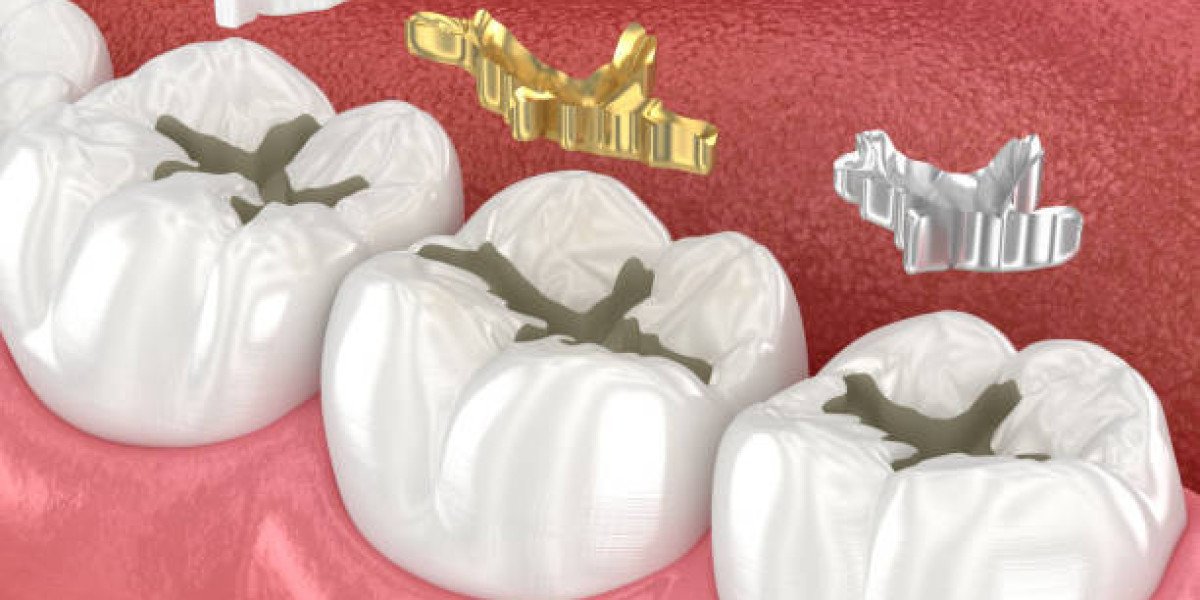

Tooth decay often begins without pain, which is why many people delay visiting a dentist. Unfortunately, untreated cavities continue to grow and may result in infection, swelling, or tooth loss. Taking action early is the best way to protect your natural teeth. Dental filling in Islamabad is a simple yet highly effective treatment that repairs damaged teeth, stops decay from spreading, and restores normal function for patients in Islamabad.
What Is a Dental Filling?
A dental filling is a restorative dental procedure used to treat cavities and minor tooth damage. The dentist removes the decayed portion of the tooth and fills the space with a durable material. This restores the tooth’s shape, strength, and function while protecting it from further bacterial attack.
Why Dental Fillings Are Necessary
Cavities do not heal naturally. If left untreated, decay can spread to the inner layers of the tooth and reach the nerve, causing pain and infection. Dental fillings stop this process early, helping patients avoid complex treatments such as root canal therapy or tooth extraction. Preserving the natural tooth is always the preferred option.
Main Causes of Tooth Decay
Tooth decay develops when plaque bacteria produce acids that weaken tooth enamel. Common contributing factors include:
Poor brushing and flossing habits
Frequent consumption of sugary or acidic foods
Plaque buildup on teeth
Reduced saliva production
Skipping routine dental checkups
Good oral hygiene and regular dental visits greatly reduce the risk of cavities.
Signs You May Need a Dental Filling
Some cavities progress silently, but warning signs may include:
Sensitivity to hot, cold, or sweet foods
Pain when chewing or biting
Dark spots or visible holes on teeth
Mild or persistent toothache
Early diagnosis leads to faster, easier, and more affordable treatment.
Types of Dental Filling Materials
Dentists select filling materials based on durability, appearance, and tooth location:
Composite resin: Tooth-colored and natural-looking
Amalgam: Strong and long-lasting, ideal for molars
Glass ionomer: Fluoride-releasing for added protection
Ceramic: Stain-resistant, durable, and aesthetic
Each material provides effective protection when chosen correctly.
Dental Filling Procedure Step by Step
Dental fillings are usually completed in one visit and involve:
Dental examination and local anesthesia
Removal of decayed tooth material
Cleaning and preparation of the cavity
Placement and shaping of the filling
Polishing and bite adjustment
The procedure is safe, quick, and minimally uncomfortable.
Pain and Recovery
With modern anesthesia, dental fillings are virtually painless. Some patients may experience mild sensitivity afterward, which typically resolves within a few days.
Benefits of Dental Fillings
Restore chewing and biting efficiency
Reduce tooth sensitivity
Prevent further decay
Preserve natural teeth
Avoid costly and invasive dental procedures
Aftercare Tips for Long-Lasting Fillings
Avoid hard or sticky foods immediately after treatment
Brush twice daily with fluoride toothpaste
Floss regularly
Limit sugary foods and drinks
Visit your dentist for routine checkups
Proper aftercare helps maintain strong fillings and overall oral health.
How Long Do Dental Fillings Last?
Composite fillings generally last 5–7 years, while amalgam fillings may last over 10 years. Their lifespan depends on oral hygiene habits, diet, and regular dental care.
Choosing a Trusted Dental Clinic
Successful dental filling treatment depends on accurate diagnosis, skilled dentists, and high-quality materials. Selecting the right clinic ensures comfort, safety, and lasting results.
For expert dental care, modern treatment options, and reliable outcomes, trust Dental Clinic Islamabad to restore your teeth, protect your smile, and maintain excellent oral health.