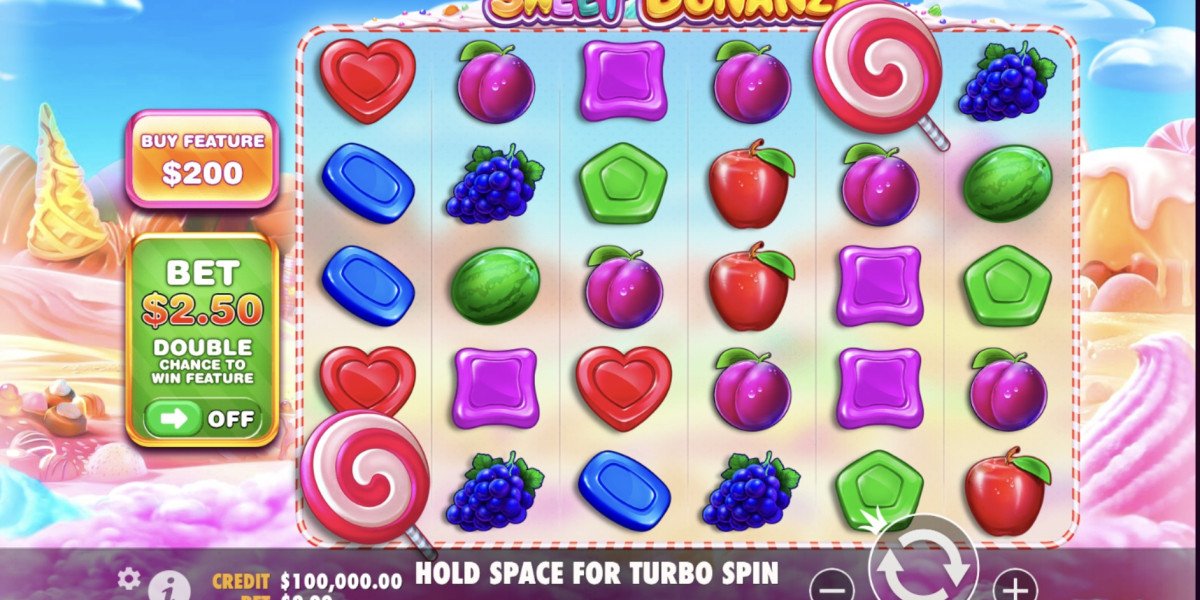
Gambling sits at a strange intersection of mathematics and emotion. On one side, there is logic: probability, statistics, and carefully calculated house edges. On the other, there is luck—an unpredictable force people invoke when outcomes fall beyond their control. Between those two forces lies a very human story of hope, risk, reward, and sometimes loss. Understanding gambling behavior requires looking at both the cold arithmetic of the games and the warm psychology of the people playing them.
At its core, gambling is built on probability. Every casino game, from roulette to slot machines, is structured around mathematical formulas that ensure the operator holds a long-term advantage. This built-in advantage, often called the house edge, guarantees that over time the casino profits. Logic makes this clear: the longer someone plays, the more likely they are to lose overall. Yet people continue to gamble, often with confidence that they can outsmart the system or that their luck will shift. This tension between statistical reality and personal belief is where behavior becomes fascinating.
The human brain does not naturally process probability in a rational way. Cognitive biases—systematic thinking errors—shape how people interpret wins and losses. One of the most powerful is the illusion of control. Even in games governed entirely by chance, such as rolling dice or spinning a digital slot, players often feel their choices influence the outcome. Pressing a button at a specific moment or choosing “lucky” numbers can create a sense of agency, even when the results are random.
Another important factor is reinforcement. Gambling operates on what psychologists call a variable reward schedule. Wins are unpredictable and irregular, but they happen just often enough to keep players engaged. This pattern is particularly powerful because the brain releases dopamine, a chemical linked to pleasure and motivation, not only when winning but also in anticipation of a possible win. The near-miss effect—when a result is close to a jackpot—can stimulate similar excitement to an actual victory. From a neurological perspective, the anticipation itself becomes rewarding.
Emotion plays an equally central role. For many, gambling offers excitement, escape, or social interaction. A sports bettor may feel deeply connected to the agenolx outcome of a game. A poker player might enjoy the blend of skill, competition, and risk. In these contexts, gambling is experienced as entertainment. The problem arises when emotional regulation becomes tied to betting outcomes. Chasing losses, for example, occurs when someone continues wagering in an attempt to recover previous losses. Logically, increasing bets to offset losses increases financial risk, yet emotionally it can feel like reclaiming control.
Losses are inevitable in gambling. Even skilled players face variance—natural fluctuations in short-term results. However, humans tend to remember wins more vividly than losses, reinforcing optimism. This selective memory can distort perception of overall performance. People may recall a big payout but underestimate cumulative smaller losses over time. Financial tracking often reveals a different story than memory suggests.
Social and environmental factors also shape gambling behavior. Accessibility has increased dramatically with online platforms and mobile apps. Constant availability reduces the friction that once limited participation. Marketing strategies, bonuses, and loyalty programs further encourage continued engagement. When gambling becomes integrated into daily routines, the boundary between recreation and risk can blur.
Understanding the true nature of gambling behavior requires acknowledging both personal responsibility and structural design. The industry is engineered around mathematical advantage and psychological engagement. Individuals bring their own motivations, biases, and emotional states into that environment. When logic is overshadowed by impulse or hope, losses can escalate beyond entertainment value.
Responsible gambling begins with awareness. Recognizing that outcomes are governed by probability rather than personal luck is foundational. Setting clear financial limits, viewing losses as the cost of entertainment rather than an investment, and avoiding attempts to chase losses are practical safeguards. Gambling can remain a form of recreation when approached with boundaries and realistic expectations.
In the end, luck is unpredictable, logic is uncompromising, and losses are part of the structure. The true nature of gambling behavior lies not in the games themselves but in how human psychology interacts with uncertainty. It is a vivid reminder that while probability governs outcomes, emotion governs decisions.